Snowboard Freestyle Ou Freeride: 4 Best Boards Compared (2026)
Snowboard freestyle ou freeride: compare four boards by shape, flex, rocker and terrain fit, with pros, cons and clear picks for park or big-mountain riding.
 By Miles Sinclair
Updated November 26, 2026
 By Miles Sinclair
Updated November 2026
Choosing between a snowboard freestyle ou freeride setup comes down to where you ride most and how you like your board to behave underfoot. Freestyle boards are typically softer, twinned and built for park features, while freeride boards tend to be stiffer, more directional and better at holding an edge at speed in variable snow. The four boards below were compared on the criteria that matter most in that decision: flex and shape, rocker profile, width and sizing range, intended terrain, and the patterns owners commonly report after a season on snow. None of them were ridden or measured by us. Specs come from manufacturer listings and well-known model characteristics.
Our top picks at a glance
- 1TOP CHOICEBest overallSymbolic Knotty Snowboard Wood Grain 2025 Freeride FreestyleView on Amazon
- 2
 Best for park-leaning all-mountain ridingSymbolic Platinum Snowboard Freeride FreestyleView on Amazon
- 3
 Best for backcountry touringJONES Snowboards Solution SplitboardView on Amazon
- 4
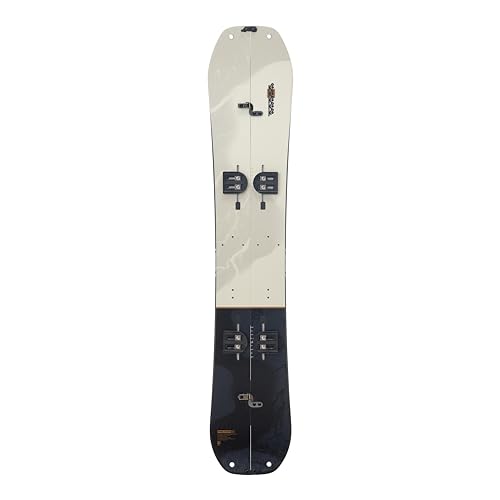 Best budget pick for learning the directional feelK2 Freeloader Freeride SnowboardView on Amazon
Our Top Picks
Quick Comparison
| Product | Best for | Key feature |
|---|---|---|
| Symbolic Knotty Snowboard Wood Grain 2025 Freeride Freestyle | Riders who want one board for park and trail | 120cm rocker profile |
| Symbolic Platinum Snowboard Freeride Freestyle | Park-leaning riders who still charge the groomers | 130cm rocker profile, regular or wide options |
| JONES Snowboards Solution Splitboard | Backcountry riders who climb and descend | Splitboard design with tip lock hardware |
| K2 Freeloader Freeride Snowboard | Newer freeriders wanting a stable, directional board | Directional freeride shape at 151cm |
Symbolic Knotty Snowboard Wood Grain 2025 Freeride Freestyle
Symbolic Knotty Snowboard Wood Grain 2025 Freeride Freestyle 90-170cm All Mountain Freeride Freestyle (120cm Rocker)
Best for: All-around freeride-freestyle riding across a wide sizing range
This board suits riders who split time between jumps and open terrain and want one setup for both. Its name indicates a freestyle-freeride hybrid with a 90–170cm length range, so it fits a broad set of rider sizes.
Key specs (per listing):
- Length range: 90–170cm
- Profile: 120cm rocker
- Category: all-mountain freeride freestyle
Pros
- Versatile across park and trail
- Broad sizing range for different riders
- Rocker profile supports easier turn initiation
Cons
- Less stiff than a dedicated freeride board for high-speed charging
- Specific flex rating should be confirmed on the listing before buying
Bottom line: A strong fit for riders who want one board that handles a park session and a afternoon of trail laps without switching setups.
View on AmazonSymbolic Platinum Snowboard Freeride Freestyle
Symbolic Platinum Snowboard Freeride Freestyle Reg or Wide All Mountain 90-170cm Men Women Kids Youth (130cm Rocker)
Best for: Park-leaning all-mountain riders who still want a stable ride on groomers
The longer 130cm rocker profile suggests a slightly more stable, cambered-feeling ride at speed, while the regular and wide options cover different boot sizes. It is a sensible choice for riders who spend most of their day in the park but want a board that holds up on bigger lines.
Key specs (per listing):
- Length range: 90–170cm
- Profile: 130cm rocker
- Width: regular or wide
Pros
- Regular and wide options help with boot overhang
- Wide sizing range covers men, women, kids and youth
- Rocker profile suits park and groomer use
Cons
- Not a dedicated stiff freeride board for steep, icy terrain
- Exact flex characteristics vary by model year, so check the spec sheet
Bottom line: Pick this if you want a freestyle-leaning board with enough stability to carry speed on the mountain.
View on AmazonJONES Snowboards Solution Splitboard
JONES Snowboards Solution Splitboard, Directional Freeride, Directonal Freeride, Karakoram Ultra Clips 2.0 with Tip Lock, 165cm, Wide, Big Horn Series
Best for: Backcountry riders who tour uphill and ride down
A splitboard separates into two halves for skinning uphill, then reconnects for descents. This model is built for directional freeride riding in deep and variable snow, and suits riders who already have touring experience and avalanche training.
Key specs (per listing):
- Length: 165cm
- Width: wide
- Binding system: Karakoram Ultra Clips 2.0 with tip lock
Pros
- Splits for uphill travel and reconnects for riding
- Wide option suits larger boots in deep snow
- Directional freeride shape for powder and crud
Cons
- Heavier and less nimble in the park than a true freestyle board
- Requires touring gear, skins and backcountry safety training
Bottom line: The right choice for committed backcountry riders. Consult a professional guide or avalanche course before riding off-piste.
View on AmazonK2 Freeloader Freeride Snowboard
K2 Freeloader Freeride Snowboard, 151cm
Best for: Newer freeriders who want a stable, directional board for on-piste and off-piste days
At 151cm this is a shorter board that many intermediate riders find manageable. Its freeride shape gives a more planted feel than a twin freestyle board, which can help build confidence when carving and linking turns.
Key specs (per listing):
- Length: 151cm
- Category: freeride
- Shape: directional
Pros
- Manageable length for smaller riders and intermediates
- Directional shape gives stable, planted turns
- Good value for riders starting to commit to freeride terrain
Cons
- Not designed for park jibbing or switch riding
- Shorter length can feel less stable at high speed for heavier riders
Bottom line: A solid entry into freeride boards for riders who prioritize stability over park tricks.
View on AmazonBuying Guide
Shape: Twin, Directional, or Directional Twin
Twin boards have symmetrical shapes and identical nose and tail, which makes switch riding easy and suits park use. Directional boards have a longer nose and shorter tail for better float and edge hold at speed. Freeride boards are usually directional; freestyle boards are usually twin.
Good picks for this: K2 Freeloader Freeride Snowboard, JONES Snowboards Solution Splitboard
Rocker and Camber Profile
Rocker lifts the tip and tail off the snow, making the board easier to turn and more forgiving in powder and chop. Camber gives more pop and edge pressure on hardpack. Many freeride-freestyle hybrids blend the two. Listed rocker lengths, like 120cm and 130cm, indicate how much of the board’s length is rockered.
Good picks for this: Symbolic Knotty Snowboard Wood Grain 2025 Freeride Freestyle, Symbolic Platinum Snowboard Freeride Freestyle
Length and Sizing
A common starting point is to check the manufacturer’s size chart by rider weight and height. Freestyle riders often choose a board slightly shorter for easier spins, while freeride riders go a few centimeters longer for stability at speed. Confirm the listing’s length range before buying.
Good picks for this: Symbolic Knotty Snowboard Wood Grain 2025 Freeride Freestyle, K2 Freeloader Freeride Snowboard
Width and Boot Overhang
If your boot size runs large, boot overhang can drag on the snow during turns. Wide boards help prevent that. Regular widths are generally fine for most riders with standard boot sizes. Check the width option before ordering.
Good picks for this: Symbolic Platinum Snowboard Freeride Freestyle, JONES Snowboards Solution Splitboard
Intended Terrain
Park-focused riders benefit from softer flex and twin shapes. Riders who spend time on steep runs, in variable snow, or on backcountry lines benefit from stiffer, directional boards. Be honest about where you ride most of the time, since that matters more than where you would like to ride.
Good picks for this: Symbolic Platinum Snowboard Freeride Freestyle, JONES Snowboards Solution Splitboard
Construction and Durability
Look for core materials and edge construction described in the listing or manufacturer documentation. Park riders hit rails and boxes, so base and edge durability matter more. Wood-core boards are often praised for a lively feel, though owner experiences vary. Regular waxing and edge tuning extend the life of any board.
Good picks for this: Symbolic Knotty Snowboard Wood Grain 2025 Freeride Freestyle, K2 Freeloader Freeride Snowboard
Splitboard vs Standard Board
A splitboard is only worth considering if you plan to tour uphill. For resort riding, a standard freeride or freestyle board is simpler and lighter. Splitboards require training in avalanche safety and route planning. Consult a qualified avalanche course instructor before using one in the backcountry.
Good picks for this: JONES Snowboards Solution Splitboard
FAQ
What is the main difference between a snowboard freestyle and freeride board?
Freestyle boards are usually softer, twin-shaped and built for jumps, rails and switch riding. Freeride boards are usually stiffer, directional and designed for stability and edge hold at speed in varied snow. Many modern boards blend both.
Can one board handle both freestyle and freeride riding?
Yes, many all-mountain and freeride-freestyle hybrids are designed for both. You will trade some specialization for versatility. Riders who ride the park heavily or charge steep terrain daily may eventually want a dedicated board for each.
How do I choose the right board length?
Start with the manufacturer’s size chart, which usually uses rider weight and height. Freestyle riders often go slightly shorter, while freeride riders often go slightly longer. Your ability level and typical terrain also matter.
Do I need a wide board?
You may need a wide board if your boot size is large enough that the boot overhangs the edges and drags in turns. Check the manufacturer’s boot size guidance before deciding.
Is a splitboard a good choice for resort riding?
Generally no. Splitboards are heavier and built for uphill travel in the backcountry. For in-bounds riding, a standard freeride or freestyle board is usually the better fit.
How important is rocker?
Rocker helps with float in powder and makes turn initiation easier, which many riders find forgiving. Camber offers more pop and edge grip on firm snow. Your preferred terrain should guide which profile you pick.
Should I consult a professional before buying a board?
If you are new to snowboarding or planning to ride backcountry terrain, a shop fitter or instructor can help confirm sizing and equipment. Backcountry riding in particular calls for avalanche training from a qualified provider.
Conclusion
For most riders weighing a snowboard freestyle ou freeride choice, the answer comes down to terrain and riding style. The Symbolic Knotty Snowboard Wood Grain 2025 Freeride Freestyle suits riders who want one board for park and trail. The Symbolic Platinum Snowboard Freeride Freestyle leans slightly more toward stability for park riders who still charge groomers. The JONES Snowboards Solution Splitboard is for committed backcountry riders with the right training and gear. The K2 Freeloader Freeride Snowboard offers a manageable, directional option for newer freeriders. Match the board to where you actually ride, and confirm the specs on each listing before you buy.
Sources
- Avalanche safety guidance and education resources for backcountry riders
- Consumer product safety information for sports equipment and recalls (cpsc.gov)
Before you buy: helpful guides
Related reading
- Snowboard Freeride vs Freestyle vs All-Mountain (2026): Which Is Better for You?
- Freestyle Freeride Snowboard Difference (2026): Which Is Better for You?
- Roxy Sugar All Mountain Freeride Snowboard: 5 Best Picks for Every Rider
- Freeride vs All-Mountain Snowboard (2026): Which Is Better for You?
About Miles Sinclair
Miles Sinclair is part of our editorial team and reviews and edits our snowboarding guides, checking product details against manufacturer specifications and owner feedback.
About the author
Miles Sinclair writes reviews and buying guides for Snowboard Everest.