Thirtytwo STW Double BOA Snowboard Boots Review: Is It Worth It?
Thirtytwo STW Double BOA snowboard boots review: key specs, pros and cons, fit notes, and who should buy this all-mountain boot in 2026.
 By Emily Parker
Updated November 8, 2026
 By Emily Parker
Updated November 2026
The thirtytwo STW Double BOA snowboard boots are aimed at riders who want a dependable all-mountain boot with two independent BOA dials, one for the foot and one for the cuff. They suit intermediate riders who ride a mix of groomers, trees and soft snow and want a boot that holds an edge without feeling stiff all day. They are less suited to beginners who want a very soft, easy-entry boot, and to advanced freestyle riders who prefer a stiffer, more locked-in feel for jumps and park work. Riders with wide or low-volume feet should check fit carefully before buying. The keyword to watch here is the STW Double BOA setup, which is the main reason people look at this model.
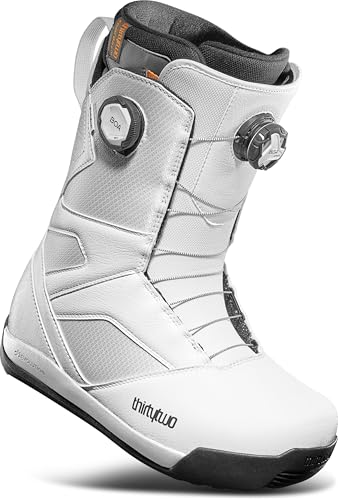
thirtytwo STW Double Boa Men's Snowboard Boot, All-Mountain, Cushioned – 115 – White 2026
Product Overview
The thirtytwo STW Double BOA is a men’s all-mountain snowboard boot in a white colorway, listed for the 2026 season. It uses a dual-zone lacing system: one BOA dial tightens the lower foot and forefoot, and a second dial controls the upper cuff and ankle. Thirtytwo positions the STW line as a step between entry-level soft boots and the stiffer performance models in its catalog, and the cushioned, all-mountain positioning reflects that.
The appeal of the STW Double BOA is mainly the lacing system. Traditional boots use laces or a single cable, which can leave pressure points or allow the heel to lift. Owners of dual-zone boots often describe the ability to fine-tune the fit in two places as one of the main reasons they switched, particularly when their feet and calves have different volume. Because the two zones are independent, you can loosen the cuff for comfort on a long lift ride and then snug it before a steep run without changing the foot fit.
The boot is designed to work with standard snowboard bindings, and the outsole and midsole are built for all-mountain use rather than park-specific impact. The cushioned liner is meant to add comfort during long days. Check the official listing for the exact liner construction, sole compound and flex rating before you buy, as those details can vary between production runs.
Key Features & Specifications
The table below lists the features that are clearly stated in the product name and the manufacturer’s general positioning. Confirm any numeric detail, such as flex rating or weight, against the current Amazon listing or the thirtytwo product page, since specifications can change between model years.
| Feature | Detail |
|---|---|
| Model | thirtytwo STW Double BOA |
| Gender category | Men’s |
| Riding style | All-mountain |
| Lacing system | Double BOA (two independent dials) |
| Liner | Cushioned |
| Colorway | White |
| Size shown in listing | 115 (verify your size chart) |
| Model year | 2026 |
Because the boot is sold in a US men’s size reference, confirm your size against the thirtytwo size chart rather than relying on your everyday shoe size. Snowboard boots typically run differently from street shoes, and many riders find they need a size closer to their measured Mondopoint length. For a full walkthrough, see Thirtytwo Double BOA Snowboard Boots: Fit, Sizing and Setup Guide.
Pros & Cons
Pros
- Dual BOA dials allow separate adjustment of the foot and the cuff.
- Owners of dual-zone boots often report more precise heel hold than single-cable designs.
- Cushioned liner is suited to full-day comfort on all-mountain terrain.
- All-mountain positioning makes it a sensible one-boot option for varied conditions.
- Clean white colorway, which many riders prefer for a fresh look.
Cons
Performance Analysis
On all-mountain terrain, the main performance question is how well the boot transmits control from the leg to the board. The cushioned, all-mountain design is intended to balance responsiveness with comfort, which suits carving groomers, linking turns through variable snow and riding moderate terrain park features. The independent cuff dial is the feature most often discussed in owner feedback: riders describe being able to set the upper boot firmly for edge control while keeping the forefoot comfortable.
In deep or soft snow, a cushioned boot generally offers more forgiveness than a very stiff race-style boot, which helps reduce fatigue over long days. The trade-off is that riders who push hard on icy or firm conditions may want a boot with a more rigid flex to get the most precise edge feedback. Owners of softer all-mountain boots often report that the cuff tension matters a lot here, and that a few minutes of adjustment at the start of the day pays off in control.
Warmth and foot hold depend heavily on fit. A boot that is slightly too large will allow heel movement regardless of how tight the dials are, so the sizing step is as important as the lacing system itself. If you are between sizes, a sizing consultation or a careful look at your measured length is worth the time. Consult a qualified boot fitter if you have a foot condition or pain that persists after break-in.
Who Should Buy This Product?
This boot makes sense for intermediate and advanced all-mountain riders who want a single boot for groomers, trees and light park laps, and who value a secure, adjustable fit. It also suits riders who have struggled with heel lift in single-lace boots and want independent control over the cuff. Riders who ride mostly in the park and want a very stiff, locked-in feel may prefer a freestyle-focused model. Beginners who prioritize maximum softness for learning may find a more forgiving entry boot easier to start in.
Shoppers who have already decided on the thirtytwo brand and want the dual-BOA system will find this boot a logical choice within the STW range. If you are still comparing options across brands, the related guides below cover similar lacing systems.
Buying Guide
Before buying any dual-BOA boot, work through these steps:
- Measure your foot. Measure from heel to toe in centimeters, first thing in the morning or after a walk, and compare to the brand’s Mondopoint chart.
- Choose your size range. If you are between sizes, consider the size up for a softer, roomier fit, or the size down for more responsiveness, and factor in the socks you will wear.
- Check the flex. All-mountain boots sit in the middle of the flex range. Stiffer boots give more response but less forgiveness.
- Test the cuff and heel. Heel lock matters more than almost anything else. Lace or dial the boot, then flex forward and check for lift.
- Confirm compatibility. Make sure your bindings accept the boot’s sole length and width.
If you want to compare alternatives, these well-known options share the all-mountain focus:
- Burton Ion BOA (a single-BOA all-mountain option): View on Amazon
- Salomon Dialogue Dual BOA (a dual-zone all-mountain option): View on Amazon
- Vans Aura Double BOA (a dual-BOA option for a softer feel): View on Amazon
For more on how these systems work, read What Are BOA Snowboard Boots? How the Lacing System Works and Snowboard Boots BOA System: How It Works and How to Set It Up.
FAQ
Are thirtytwo STW Double BOA boots good for beginners?
They can work for progressing beginners who ride all-mountain terrain, but the boot is positioned for intermediate use. Complete beginners may find a softer, more forgiving boot easier to learn in.
What does double BOA mean?
It means the boot has two separate BOA dial systems, one for the foot and one for the cuff, so you can tighten each zone independently.
Should I size up or down?
Check the thirtytwo size chart against your measured foot length. Many riders go with a size that fits snugly with their usual socks and allows only minimal heel movement.
Do these boots fit wide feet?
Fit varies by individual. Riders with wide forefoots should check the listing’s width information and consider trying a half size up.
How long does it take to break in a cushioned boot?
Owners generally report a few days of riding before the liner and shell settle. Break-in varies with fit and conditions.
Can I use these boots with any binding?
Most standard snowboard bindings accept these boots, but confirm sole length and width compatibility with your binding manufacturer before purchase.
Are these boots warm?
Warmth depends on liner, socks and fit. A snug fit with quality socks generally helps keep feet comfortable, and any persistent cold or pain should be assessed by a professional boot fitter.
Final Verdict
Is the thirtytwo STW Double BOA worth it?
For intermediate and advanced all-mountain riders who want independent control over the foot and cuff, this is a sound choice. Its dual-BOA system is the main reason to consider it, and its cushioned, all-mountain design suits varied terrain. Sizing care is essential, and riders seeking maximum stiffness for park or racing should look elsewhere.
View on AmazonRelated reading
About Emily Parker
Emily Parker is part of our editorial team and reviews and edits our snowboarding guides, checking product details against manufacturer specifications and owner feedback.
About the author
Emily Parker writes reviews and buying guides for Snowboard Everest.